Space Medicine: How Orbital Research Drives High-Performance Systems
— by
Steven Haynes
{
“title”: “Space Medicine: How Orbital Research Drives High-Performance Systems”,
“meta_description”: “Space exploration isn’t just about rockets; it is the ultimate stress test for human physiology. Discover how orbital health research refines operational strategy.”,
“tags”: [“Space Medicine”, “Operational Strategy”, “Human Performance”, “Biotech Innovation”, “Leadership Tactics”],
“categories”: [“Science”, “Business”],
“body”: “
The Ultimate Physiological Stress Test
Evolutionary biology did not prepare the human frame for prolonged microgravity. When we send operators into orbit, we aren’t just transporting bodies; we are deploying biological systems into environments that actively seek to degrade their structural integrity. For the high-performer, this represents the most rigorous feedback loop in existence. The study of space health is not a niche pursuit—it is the front line of understanding systemic failure and cellular resilience.
Leaders who study the aerospace medical field gain an edge in crafting robust strategy. In space, there is no room for ambiguity or deferred maintenance. Every physiological shift, from bone density loss to fluid redistribution, provides high-fidelity data that informs how we optimize performance on Earth.
Translating Orbital Data to Operational Excellence
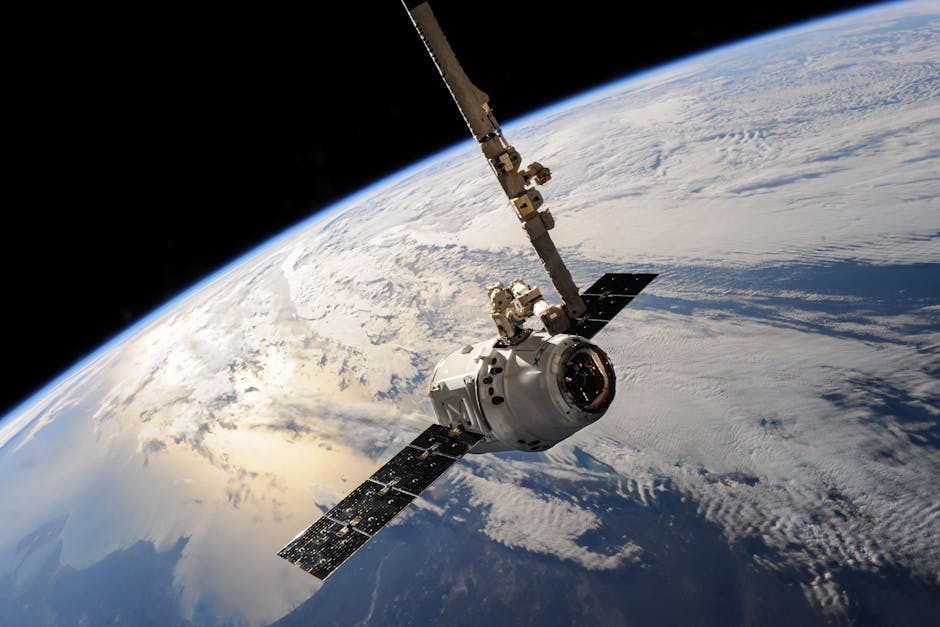
The transition from Earth-bound medicine to space medicine mirrors the shift from reactive management to predictive operations. On the International Space Station, health monitoring is pervasive and constant. Astronauts serve as a model for decentralized operational systems where real-time telemetry dictates every decision. By applying the same intensity to corporate health and performance, we move away from crisis management toward sustained peak output.
Consider the role of AI in monitoring astronaut vitals. As orbital stays extend toward Mars missions, human intervention becomes impossible due to signal latency. Consequently, we are building autonomous health diagnostic systems. For the modern executive, this is a blueprint: invest in automated diagnostic systems that identify bottlenecks in productivity before they manifest as critical failures.
The Biology of Risk and Decision-Making
Microgravity creates significant cognitive challenges, including changes in intracranial pressure and sleep architecture. This impacts the quality of high-stakes decision-making. When the environment suppresses biological efficiency, the operator must rely on hardened protocols and rigorous cognitive offloading. Space programs have developed protocols to maintain mental acuity under these extreme constraints, providing a template for decision-making in any high-pressure commercial environment.
At The BossMind, we often emphasize that performance is a derivative of system design. When you remove the gravity of conventional constraints, you see the raw mechanics of success. Those who master these mechanics—whether in a cleanroom or a boardroom—are those who treat their health as a primary operational asset rather than an external variable.
Scaling Innovation through Interdisciplinary Hardship
The future of health in space requires seamless integration between engineering, data science, and clinical practice. This interdisciplinary approach is the hallmark of advanced leadership models. We are currently seeing breakthroughs in portable diagnostics and remote-monitored rehabilitation that will eventually lower the cost of healthcare on Earth. The extreme cost of space flight forces a reductionist approach to medicine: if it isn’t essential and highly efficient, it is discarded.
This is the essential pivot for any organization: identifying the ‘essential.’ By viewing human health through the lens of space exploration, we stop measuring inputs—like hours worked or meetings attended—and start measuring physiological and operational output. The winners in the next decade of industry will be those who adopt this orbital mindset, treating their organization as a life-support system designed to thrive in a vacuum of uncertainty.



Leave a Reply